VI - DIGITAL OPTICAL SKIN (DOS)
The Future of Adaptive Visual Reality
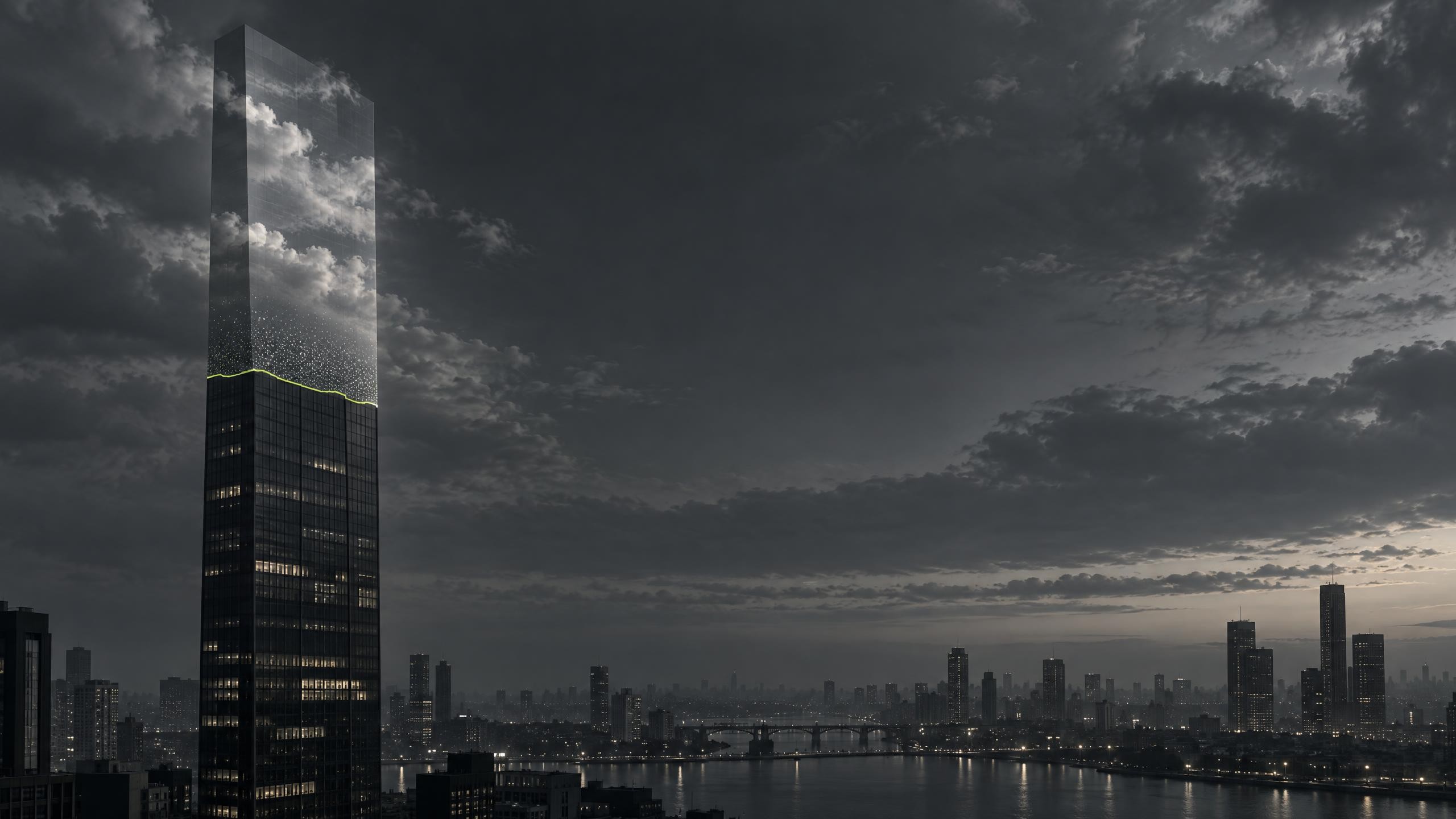
Imagine a building visually blending into the sky, an aircraft ceiling becoming an extension of the outside world, or a physical surface transforming into a living digital environment. DOS is VI’s attempt to build an intelligent visual layer between the physical world and digital reality.
THE IDEA
What is DOS?
The world around us is changing digitally at enormous speed, yet its visual form remains largely static. Screens display content in front of the viewer; DOS explores a different idea: making the physical surface itself part of the digital system.
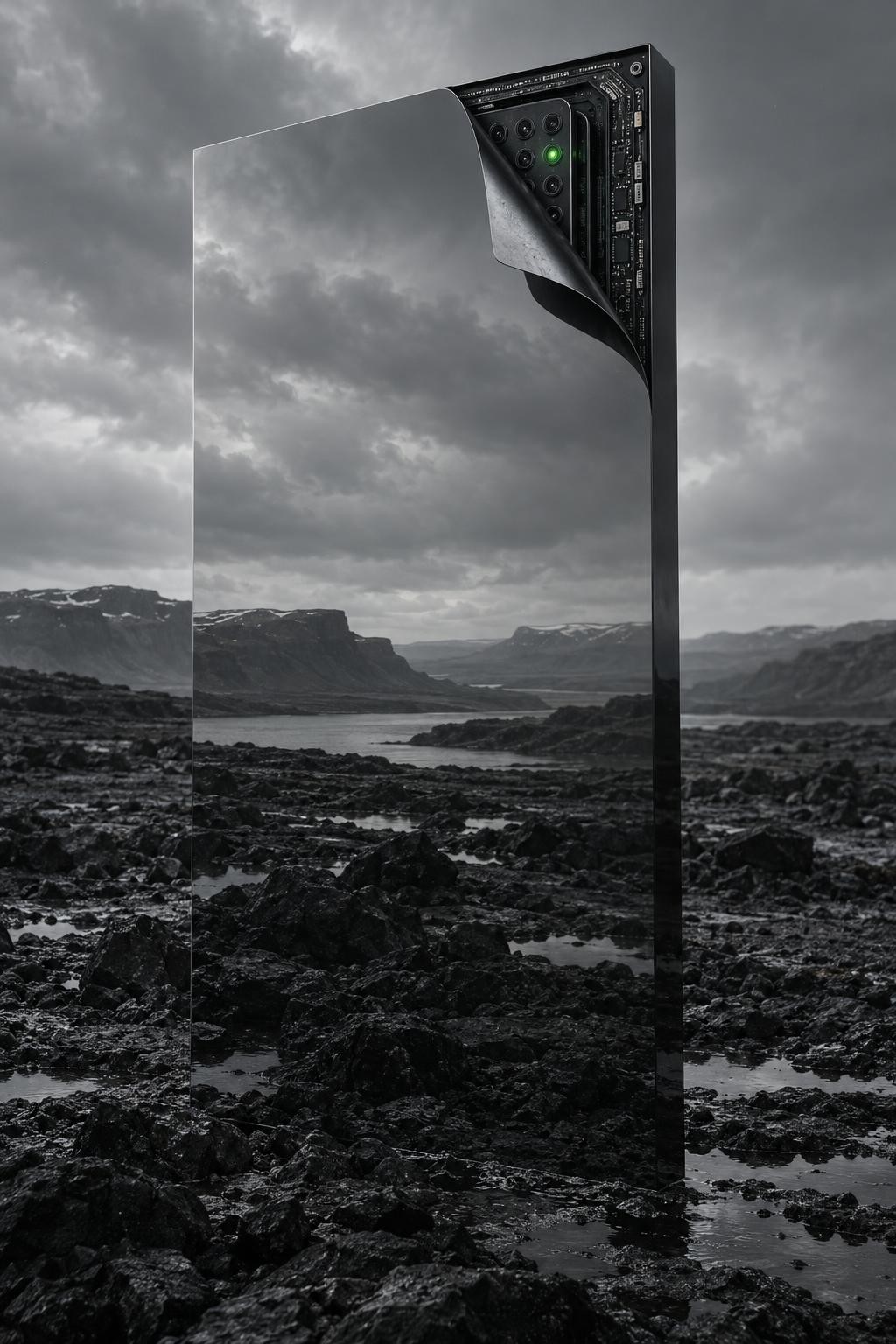
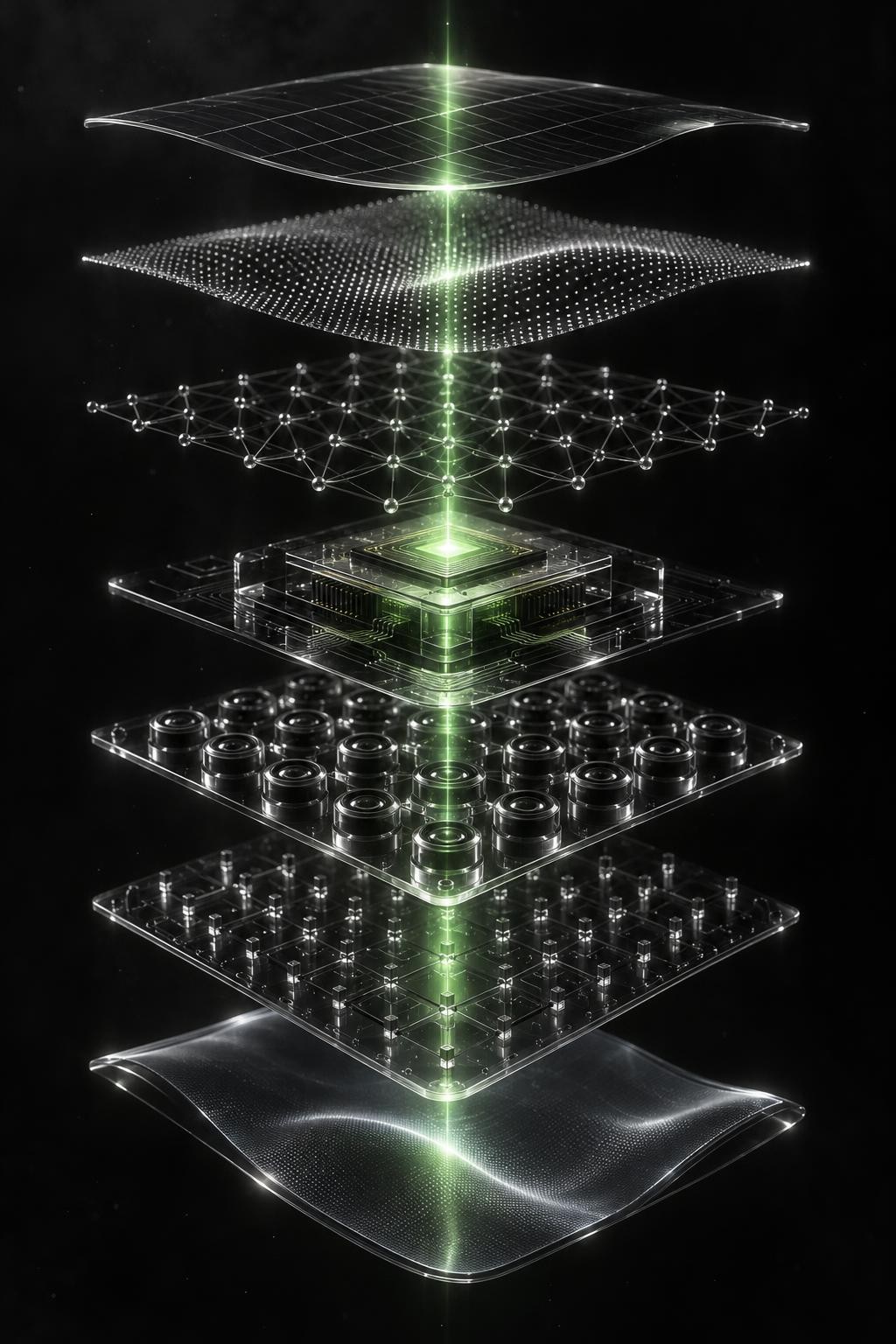
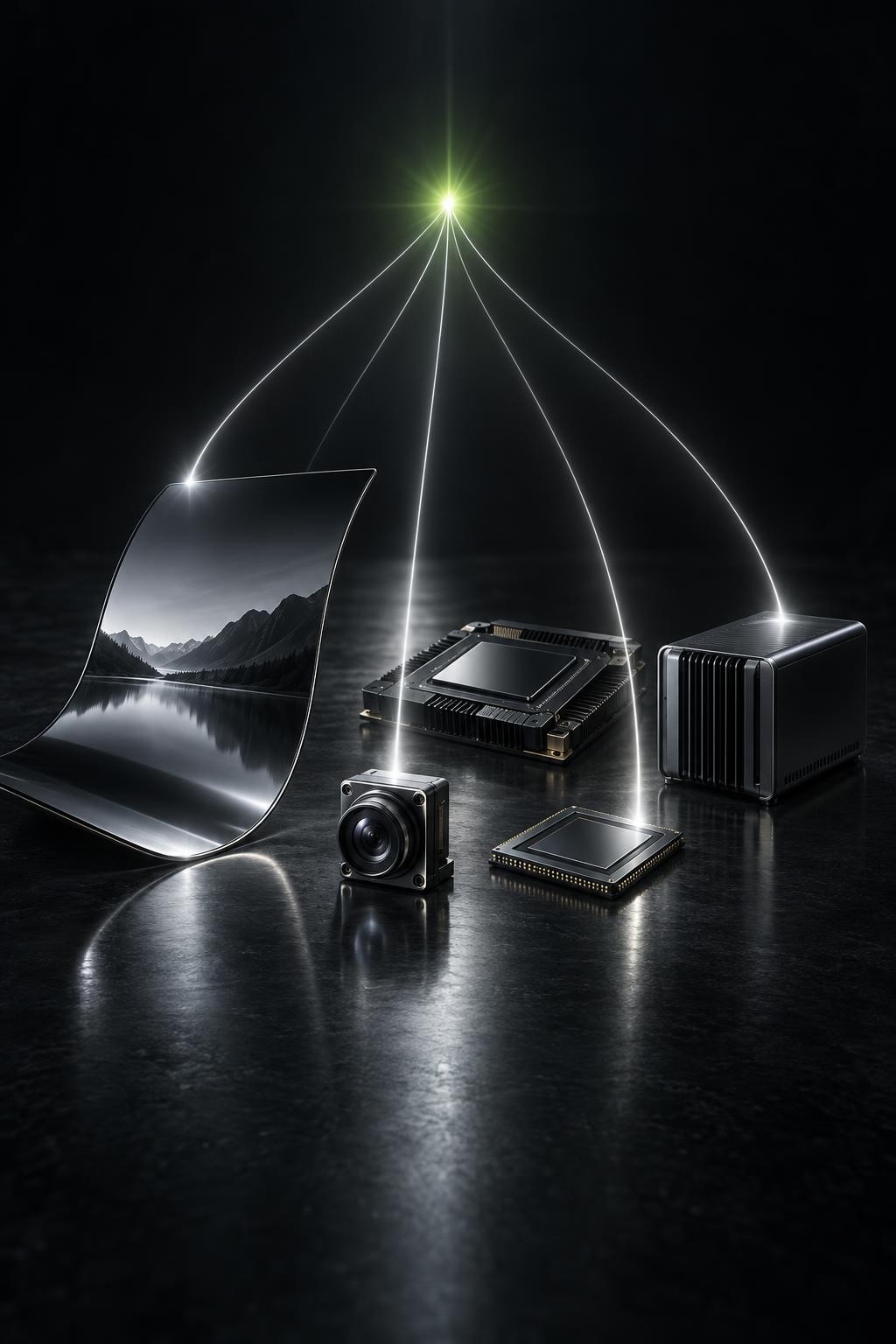
Digital Optical Skin is a future intelligent visual platform concept that combines digital display layers, micro cameras, depth sensors, real-time processing, artificial intelligence, perspective correction and 3D engines. The goal is to reconstruct the environment around a surface so the object can visually blend with its surroundings from designed viewing zones — and later replace or combine that reconstructed scene with new digital content.
THE CONCEPT
How the concept works
-
01
Environment Capture
Cameras and depth sensors capture the surrounding scene, lighting, depth and motion.
-
02
Intelligent Processing
The DOS AI Engine analyses the scene, corrects perspective and distortion, and generates the required view for the target viewing zone.
-
03
Real-Time Reconstruction
The visual output is synchronized across the surface so it can reproduce the environment behind the object.
-
04
Reality Extension
Once the surface is visually controllable, 3D objects, effects, information and new environments can be integrated into the reconstructed scene.
CORE SYSTEM LAYERS
Core system layers
Future flexible display layer
Camera & sensor network
DOS AI Engine
Perspective correction and tracking
Real-time rendering
Edge computing and synchronization
Optional future power-support concepts including integrated solar layers
FIRST PROTOTYPE
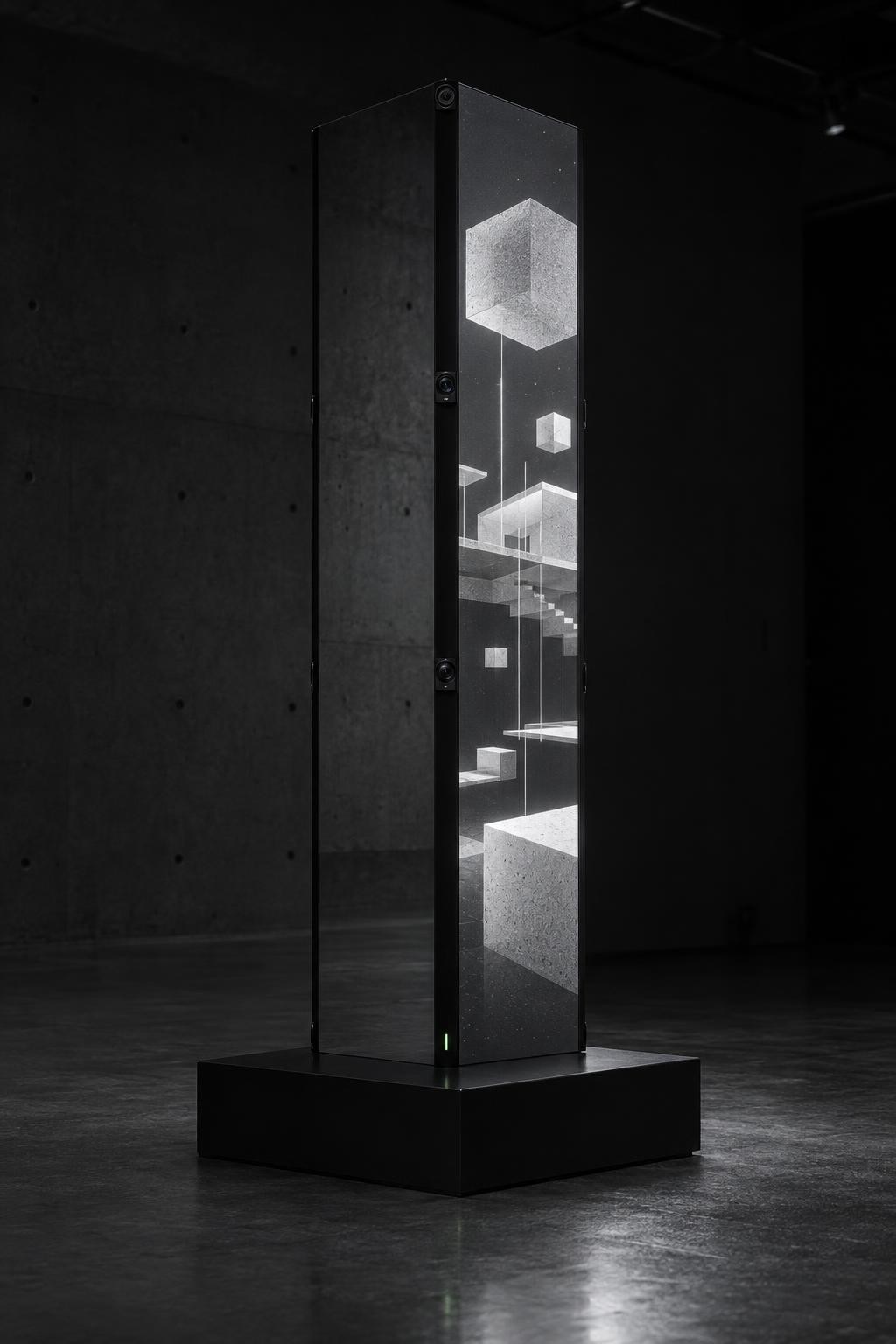
DOS Mini Tower Prototype
VI plans to begin with an approximately 1.5-meter architectural demonstrator combining high-resolution displays, cameras, sensors, real-time processing and live rendering. The prototype is intended to demonstrate three stages: normal object, visual blending with the environment, and transformation of the resulting visual space into a digital environment with 3D content.
~1.5 m
Planned architectural demonstrator
3
Stages to demonstrate
APPLICATIONS
Future applications
-
Architecture & landmarks
-
Aviation interiors
-
Transportation
-
Automotive surfaces
-
Hotels, homes and luxury spaces
-
Advertising and large-scale media
-
Smart-city infrastructure
-
Remote visual environments
R&D PATH
Roadmap
-
PHASE 1
Prototype Demonstrator
Build and test the DOS Mini Tower.
-
PHASE 2
Architectural Pilot
Move to a limited-scale real facade or architectural installation.
-
PHASE 3
Vehicle Prototype
Test a moving platform and transportation applications.
-
PHASE 4
Commercial Smart Cities
Explore larger-scale commercial infrastructure and smart-city partnerships.
WHY NOW?
Why now?
Displays are becoming thinner, cameras and sensors smaller and faster, AI more capable of understanding and reconstructing scenes, GPUs more powerful for real-time rendering, and edge-computing and XR systems more mature. DOS explores the opportunity created when these technologies converge.
FINAL VISION
The world will no longer be visually static
A wall may no longer be just a wall. A ceiling may no longer be just a ceiling. A facade may no longer be just a facade. DOS is a long-term R&D platform aimed at changing the relationship between the physical surface and the digital world.